Loading...
Wildlife trafficking is one of the most serious environmental crimes in the world and ranks among the four most lucrative illicit activities, generating between 10 and 20 billion dollars annually.
In Bolivia, wildlife is protected by a solid legal framework. Law No. 300 recognizes animals as part of Mother Earth and prohibits their possession and illegal trade, while Law No. 1333 sanctions these practices with fines and prison sentences.
However, threats such as the pet trade and the use of animal parts for cultural or traditional purposes persist. These practices are directly linked to illegal trafficking and lead to the massive removal of animals from their habitats.
It is estimated that for every animal rescued alive, at least nine die during capture, transport, or sale. Turtles, monkeys, and birds like parrots are especially affected, suffering abuse, malnutrition, and irreversible damage.
Today, illegal trade occurs in both physical markets and digital platforms, which facilitates these practices and makes them difficult to control.
Understanding the causes allows us to prevent future suffering and protect wildlife in its natural habitat.
Many wild animals are taken from nature to be kept as pets. During this process, they suffer abuse, malnutrition, and severe stress. Most cannot be reintroduced due to trauma and disease. This practice affects both individual animals and local biodiversity.
The illegal trade of wild animals frequently results in seizures by authorities such as POFOMA and the regional government. Traffickers sell illegally captured animals, severely impacting wild populations and causing suffering. Trafficking is one of the main reasons species arrive at the biopark.
We receive animals surrendered by people who can no longer care for them, such as parrots whose owners have passed away, rescues from individuals, or animals found in risky situations. These surrenders allow the animals to live safe and protected lives. We do not conduct direct rescues or seizures
Deforestation, habitat fragmentation, and fireworks cause animal displacement, biodiversity loss, and disruption of ecological balances. Many species arrive at the biopark because their habitats have been destroyed or affected by human activities.
Traditional beliefs and rituals that use animals or their parts as offerings, as well as myths associating certain species with bad luck, lead to persecution and unnecessary killings. This seriously impacts ecosystems and local wildlife populations.
Every animal that arrives at Agroflori carries a story of suffering caused by human intervention. In most cases, their rehabilitation does not allow for a return to the wild.
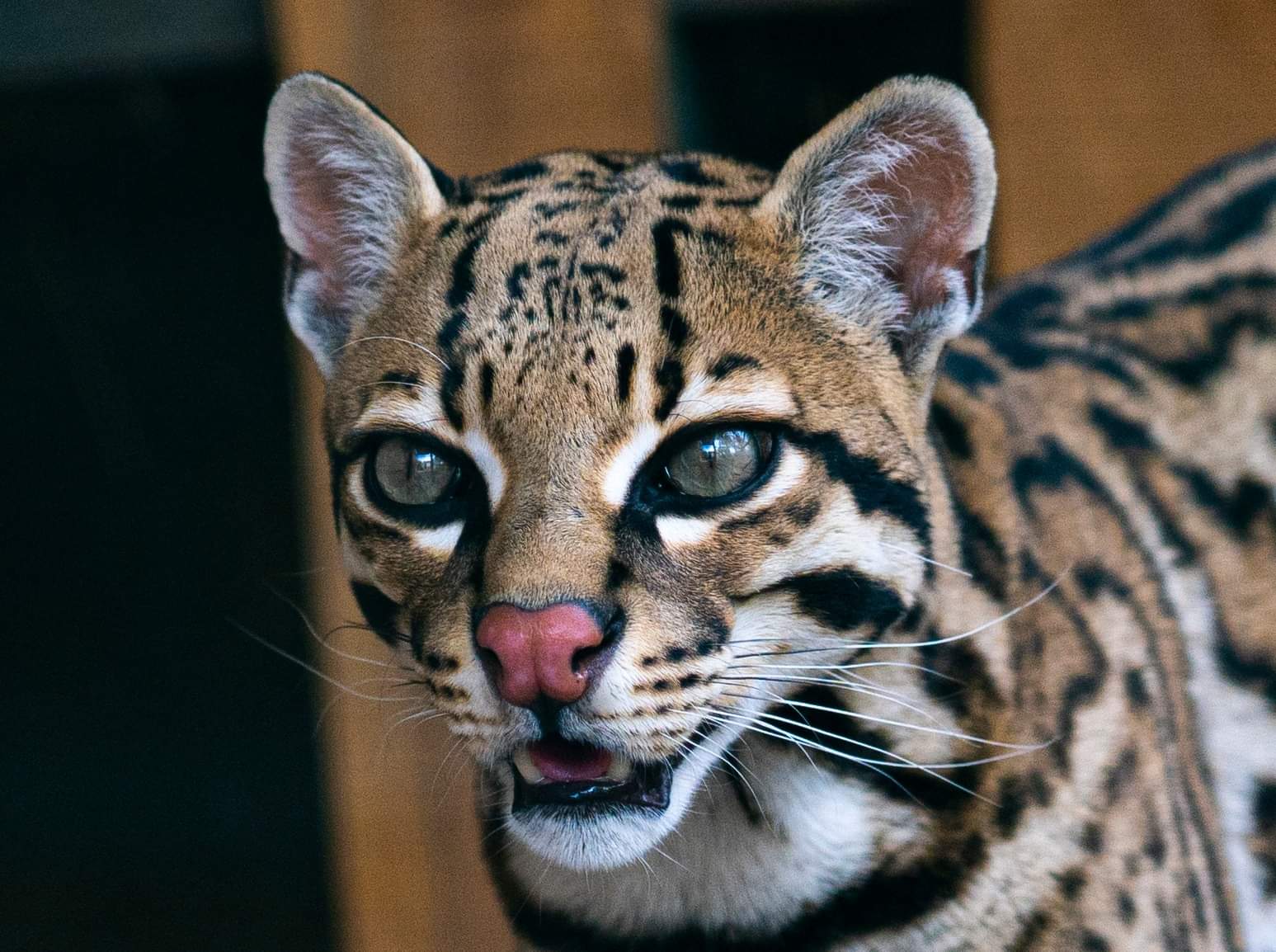
She was confiscated during a sanitary inspection carried out at a motel in Quillacollo. She was found in a state of malnutrition. POFOMA intervened and transferred her to Agroflori, where she received treatment. She cannot be reintroduced into the wild, as she did not develop the necessary hunting and survival skills after being separated from her mother at an early age.
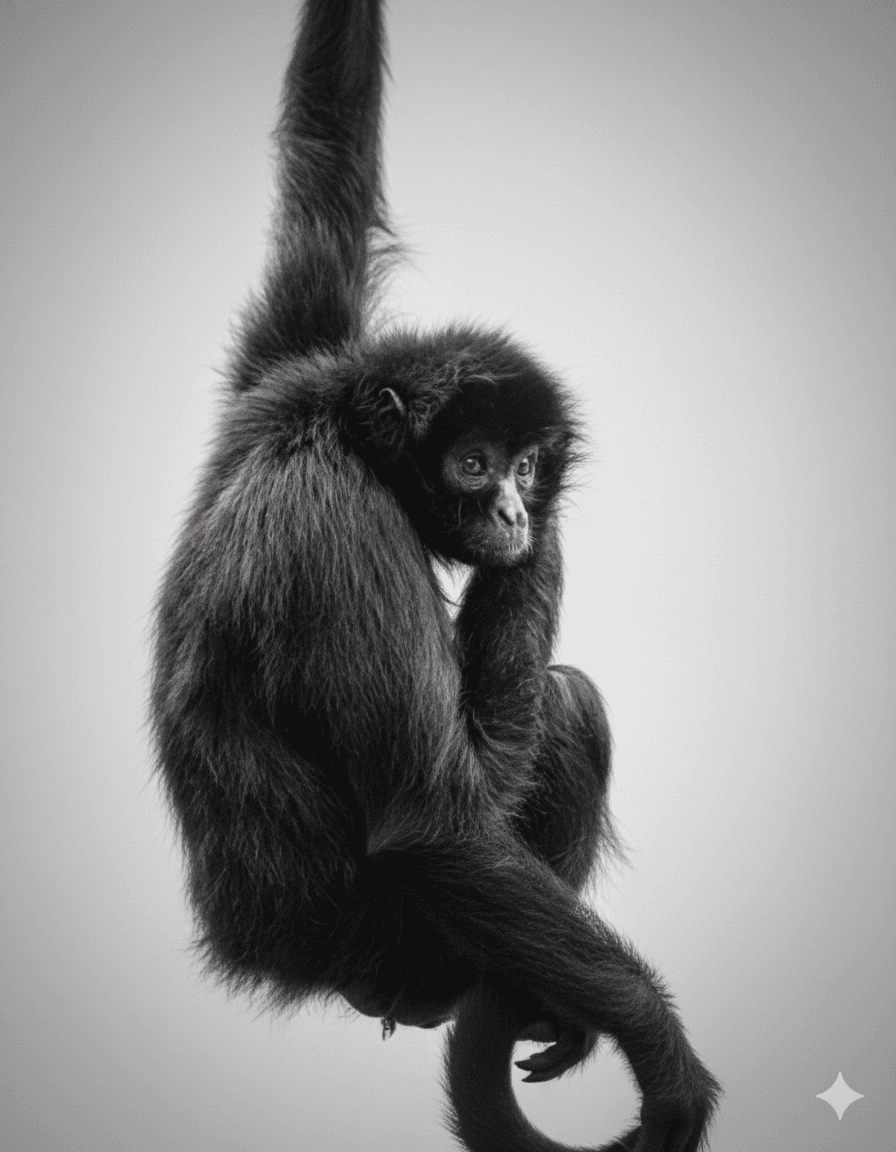
She lived in captivity as a pet and had developed a strong emotional bond with her owner. After this person passed away, the family decided not to continue caring for the animal. The sudden separation caused severe stress and depression, which manifested in weight loss and alopecia. In addition, having never had contact with others of her own species, she does not recognize them and would be rejected by them, making her reintroduction into the wild impossible.
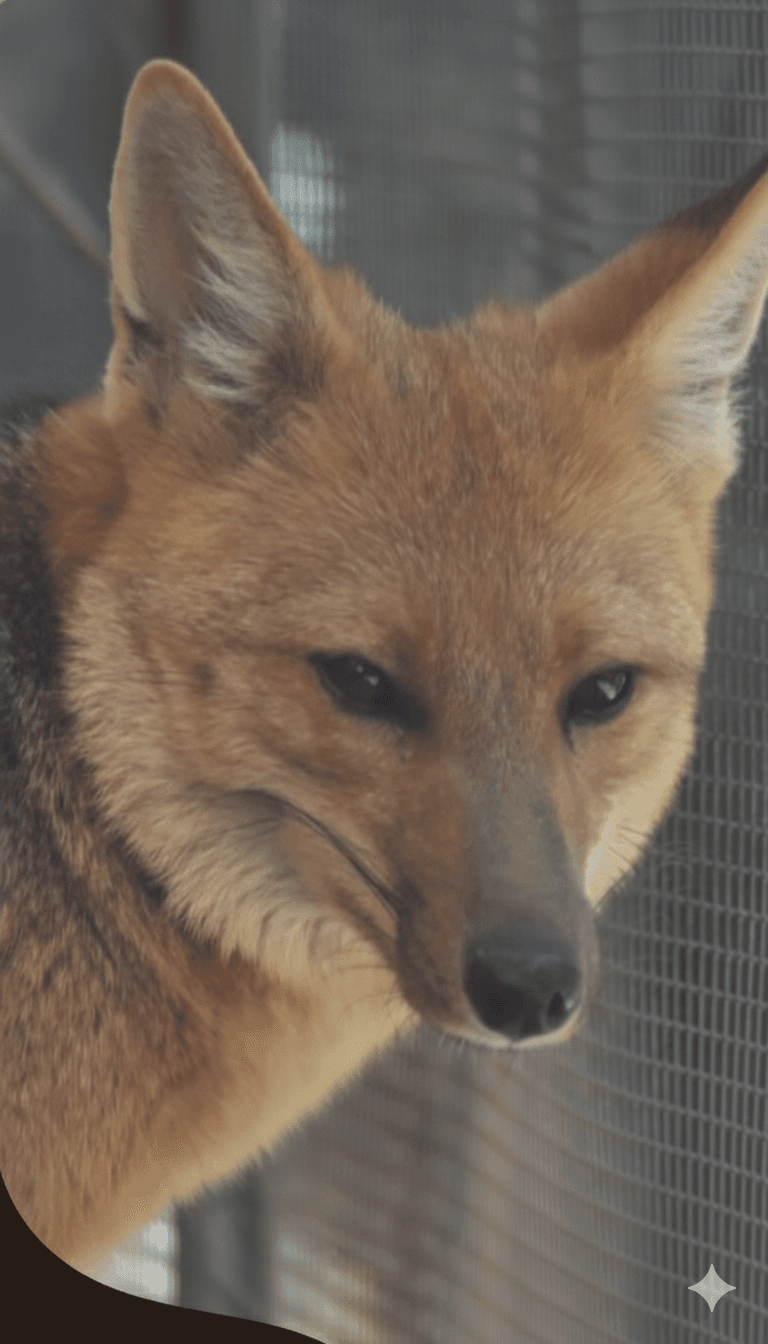
He was a victim of a ritual where his tail was cut off to be used as an amulet or in the Warmi Munachi ritual. The tail is essential for balance, hunting, and reproductive behavior, making his release impossible. After the act, he was abandoned inside a plastic bag.
Wildlife protection starts with daily decisions. Your actions can make a real difference.
Even if the intention is to "rescue" them, buying feeds illegal trafficking and perpetuates animal suffering.
Noise, artificial light, and pollutants cause stress, disorientation, forced displacement, and even death for wildlife.
Support actions that prevent the loss of forests and jungles. Education and active participation are key to conservation.
Do not feed, capture, or handle them. Observing from a distance is the correct way to coexist with wildlife.
Reporting these crimes helps protect more animals and stop illegal networks. Your voice can save lives.
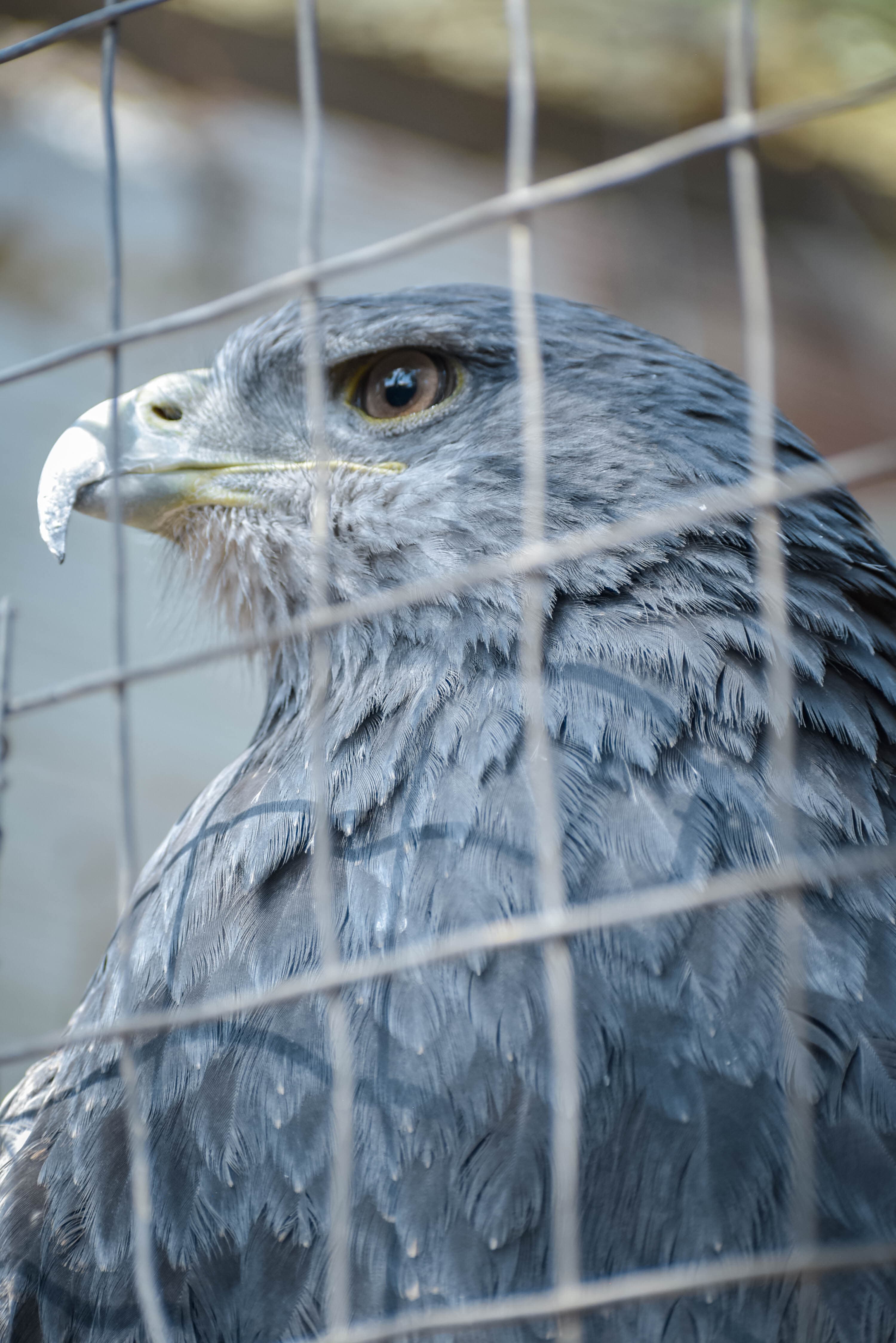
“True love for animals is leaving them free where they belong”.